Discover the fundamentals of lash extensions‚ from definition to application. Learn key principles‚ materials‚ and sizing options that enhance natural beauty. This manual offers concise guidance for beginners and seasoned artists alike. Explore techniques‚ safety‚ and aftercare for lasting results now.
What Are Lash Extensions?
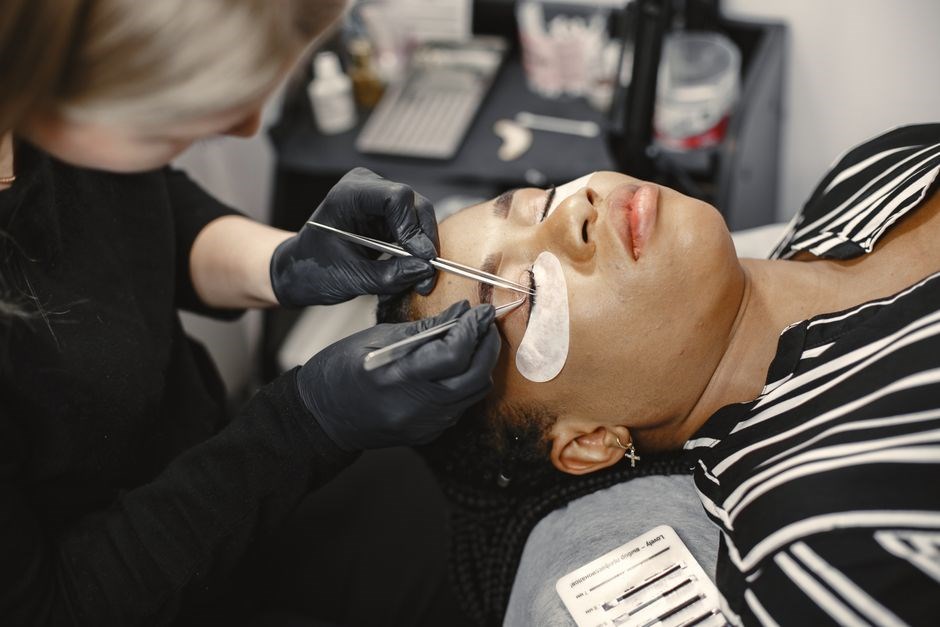
Lash extensions are individual synthetic or natural fibers applied to each natural eyelash to create a fuller‚ longer‚ and more dramatic look. Unlike cluster or strip lashes‚ they are not pre‑bundled or sold in drugstores; each extension is a single strand placed on a tray or loose before application. The purpose of a lash extension is to enhance the wearer’s natural lashes by adding dimension‚ fullness‚ curl‚ thickness‚ and length to each individual lash. The result is a subtle yet striking enhancement that balances facial features and accentuates the eyes. This manual‚ written by an experienced esthetician and aesthetic nurse with over three years of teaching and lashing practice‚ provides a comprehensive guide to mastering the art of lash extensions. It covers everything from the fundamentals of lash anatomy to the precise techniques needed to achieve flawless‚ long‑lasting results. Whether you are a beginner or a seasoned professional‚ the content is designed to deepen your understanding and expand your skill set‚ enabling you to create a wide range of looks for your clients.
Lash extensions merge precision and artistry‚ providing a versatile look that can be tailored to any face shape. Their global popularity stems from the promise of effortless glamour and the convenience of a ready‑made appearance that requires minimal upkeep. to a natural look and that enhances eyes.
Types of Lash Extensions
There are three primary categories of lash extensions that cater to different preferences and budgets. Synthetic lashes‚ the most economical option‚ are made from a polyester‑based fiber. They are lightweight‚ durable‚ and offer a wide range of colors and curls. Silk lashes are crafted from real silk fibers‚ providing a softer‚ more natural appearance and a subtle sheen that mimics the look of real eyelashes. They are slightly heavier than synthetics but still comfortable for most clients. Mink lashes‚ derived from the fur of the mink animal‚ are the premium choice. They are exceptionally lightweight‚ have a natural curvature‚ and possess a silky texture that feels almost like real lashes. Mink extensions are prized for their softness and the way they blend seamlessly with the wearer’s natural lashes‚ creating a “no‑makeup” look that still appears full and dramatic. Each type offers unique benefits‚ and the choice often depends on the client’s desired look‚ sensitivity‚ and budget. By understanding the characteristics of synthetic‚ silk‚ and mink lashes‚ an artist can recommend the best match for each client’s needs and ensure a satisfactory‚ long‑lasting result. Longevity varies: synthetic lashes typically last 4–6 weeks‚ silk 5–7 weeks‚ mink 6–8 weeks‚ depending on growth cycle and maintenance. The choice also influences the amount of glue needed and the overall weight on the natural lashes. Lighter mink lashes reduce strain‚ making them suitable for clients with sensitive eyes or those who prefer a natural feel. Heavier synthetic lashes may be chosen for a more dramatic volume look. The texture and curl also differ: synthetic lashes come in a wide array of curls (C‚ CC‚ D‚ DD‚ E‚ etc;)‚ silk lashes usually have a moderate curl‚ while mink lashes naturally curl with a gentle‚ natural lift. By matching the curl and weight to the client’s eye shape and lifestyle‚ an artist can create a customized look that feels comfortable and authentic. Right material ensures beauty comfort.
Materials Used in Lash Extensions
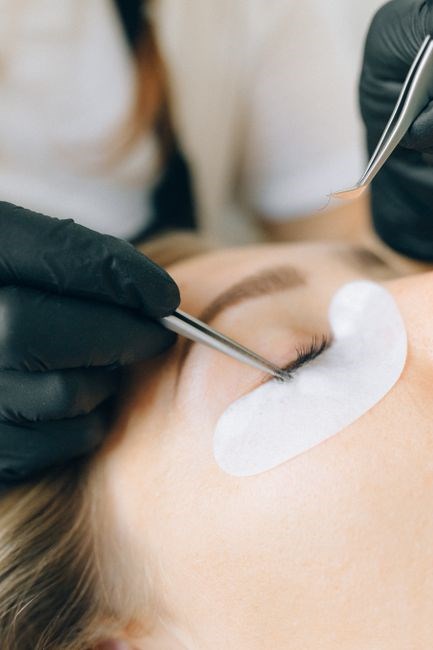
High‑quality lash extensions rely on a few key components that work together to create a safe‚ long‑lasting‚ and comfortable result. The primary material is the lash itself‚ which can be made from synthetic polymer‚ silk fibers‚ or mink fur. Each offers distinct weight‚ curl‚ and texture‚ allowing the artist to match the client’s natural lashes and desired look. The adhesive is the next critical element; it must be strong enough to hold the extension in place while remaining gentle on the eye. Most professionals use a 100% protein‑based‚ hypoallergenic formula that cures in 30–60 seconds‚ providing a secure bond without compromising the natural lash growth cycle. The glue’s viscosity is adjusted to accommodate the lash’s thickness‚ ensuring a smooth application. A small amount of a silicone‑based primer is often applied to the natural lash to improve adhesion and reduce the risk of irritation. The lashes are stored on a tray or loose in a container that protects them from dust and damage; the tray’s design allows for quick access and organized use during sessions. Finally‚ the artist’s tools—such as tweezers‚ a lash comb‚ and a magnifying lamp—must be sterilized between clients to maintain hygiene and prevent cross‑contamination. Together‚ these materials form the foundation of a professional lash extension service‚ balancing performance‚ safety‚ and client satisfaction. Clients appreciate the meticulous attention to detail that ensures a natural‚ flawless finish confidence!!
Size and Length Options
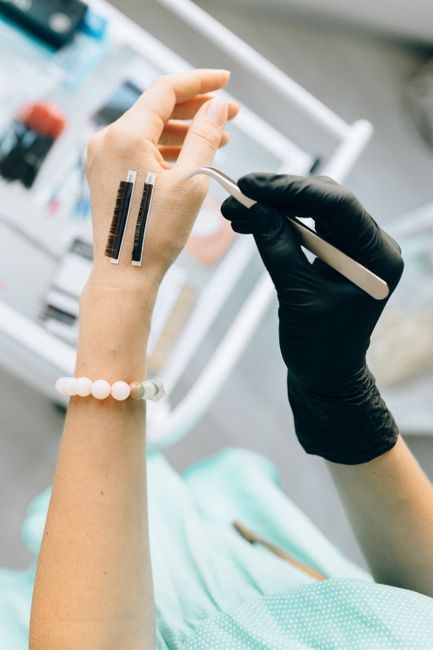
Professional lash extensions offer a spectrum of sizes and lengths to suit individual client needs and aesthetic goals. Standard lengths range from 6 mm to 17 mm‚ allowing for subtle enhancement or dramatic volume. Each length is available in multiple materials—synthetic‚ silk‚ and mink—providing variations in weight‚ curl‚ and texture. The choice of length is guided by the client’s natural lash length‚ eye shape‚ and desired look‚ whether a natural lift or a bold‚ full‑eyelid effect. Extensions are applied individually‚ not as clusters or strips‚ ensuring precise placement and a natural appearance. The manual emphasizes that lash extensions are not found in drug stores; they require professional application and maintenance. Proper sizing also considers the natural lash growth cycle‚ as extensions typically last 4–6 weeks before a refill is needed. By selecting the appropriate length and material‚ artists can create balanced‚ flattering results that enhance facial features while maintaining comfort and safety.
Clients often ask about the durability of each length; the 6 mm lashes provide a natural look suitable for daily wear‚ while the 17 mm options deliver a dramatic‚ statement style for special occasions. The choice also depends on the client’s eye shape—longer lashes accentuate almond eyes‚ whereas shorter lashes can soften hooded lids. By matching the length to the natural lash growth cycle and the client’s lifestyle‚ artists can ensure optimal comfort and longevity.
Key Principles of Lash Application
Professional lash application hinges on meticulous preparation‚ precise technique‚ and unwavering safety standards. The first step is a thorough sanitation routine: disinfect all tools‚ clean the client’s eyelids‚ and ensure a sterile workspace. Proper lighting and a steady hand are essential; a magnification loupe or LED light can reveal micro‑details that affect placement. Each lash is individually inspected for damage and trimmed to the correct length before bonding. Adhesive selection is critical; a high‑quality‚ hypoallergenic formula with the right viscosity ensures a secure bond without compromising the natural lash. Application begins at the inner corner‚ using a gentle‚ controlled motion to avoid tugging on the client’s natural lashes. The lash is positioned at a 45‑degree angle relative to the natural lash line‚ maintaining a natural trajectory. A small amount of adhesive is applied to the extension tip‚ then the lash is held in place for 30–60 seconds to set. After each lash‚ the client’s lashes are checked for proper alignment and spacing to create a cohesive look. Throughout the session‚ the artist monitors for any irritation or allergic reaction‚ adjusting technique or product as needed. Post‑application‚ the client receives clear aftercare instructions‚ emphasizing the importance of avoiding water‚ steam‚ and oil for the first 24 hours to preserve bond integrity. By adhering to these core principles—sanitation‚ precision‚ product knowledge‚ and client communication—artists can deliver safe‚ stunning results that enhance natural beauty while protecting eye health. Clients are encouraged to schedule regular touch‑ups every 2–3 weeks to maintain fullness and ensure optimal longevity of extensions.
Classic Lash Technique
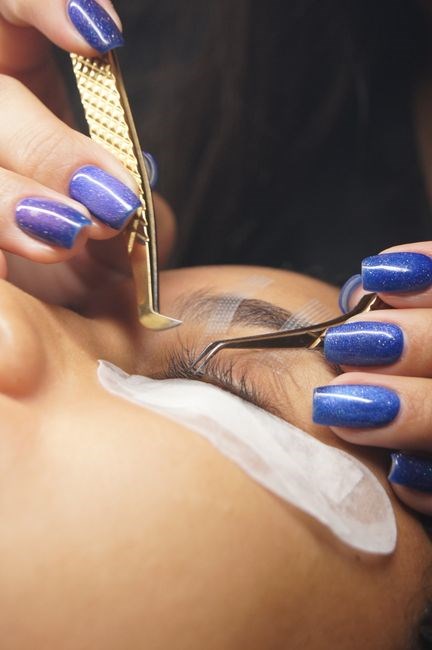
Classic lashes are prized for their look! They can be customized with curl types—such as J‚ B‚ or C—to match a client’s eye shape and desired drama. The artist carefully selects the curl to complement the natural lash curl‚ ensuring a blend. Because only one extension is applied per natural lash‚ the set is lightweight‚ reducing strain on the eye. The result is a subtle lift that enhances the eye’s shape without styles. Clients often report confidence after a classic lash session.
Clients love the natural elegance it delivers.
Volume Lash Technique
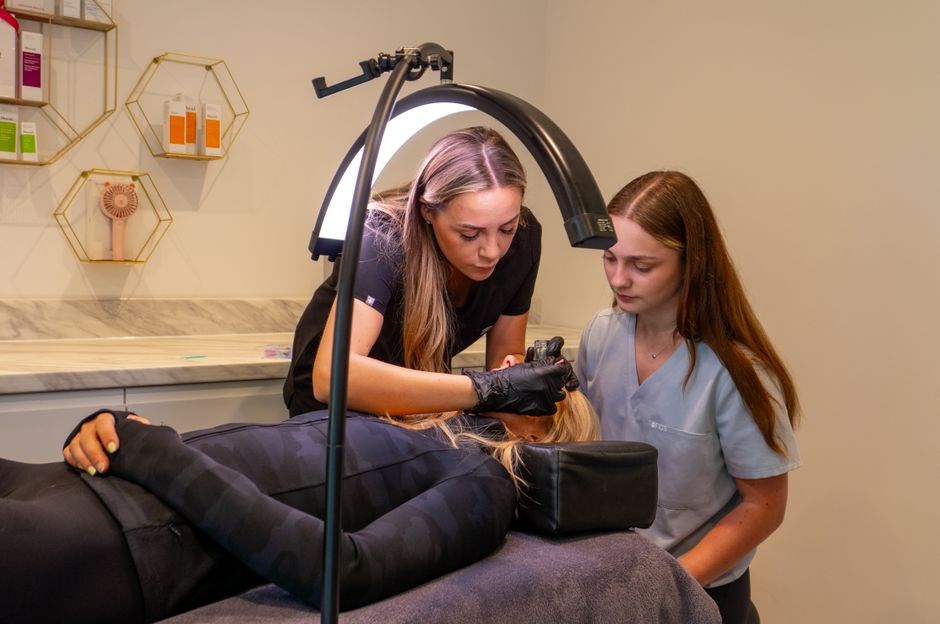
Volume lashes elevate a client’s look by layering multiple lightweight extensions‚ creating a fuller‚ dramatic effect. The technique begins with a precise selection of curl and length‚ ensuring each fan blends seamlessly with the natural lash line. Using a micro‑brush‚ the artist applies 3–7 micro‑extensions to a single natural lash‚ forming a fan that is then glued in place. This process is repeated across the lash set‚ resulting in a dense‚ cloud‑like appearance that is both striking and lightweight. The key to a successful volume set lies in meticulous spacing and balance; each fan must be evenly distributed to avoid a “clumpy” look. Clients often enjoy the versatility of volume lashes‚ as the intensity can be adjusted from subtle to bold by varying the number of extensions per lash. Maintenance typically involves a 2–3 week refill schedule‚ with careful removal to preserve natural lashes. Volume lashes are ideal for clients seeking a glamorous‚ high‑impact look that still feels natural when applied with skill.
Volume lash artistry demands precision in selecting the right lash length and curl for each client. The process begins with a detailed assessment of natural lash health‚ ensuring no damage occurs. Artists create a custom fan pattern balancing density and volume for natural dramatic look. Proper glue application and drying times prevent clumping. Clients appreciate the lightweight feel and the ability to customize intensity. Regular maintenance is essential‚ with a 2–3 week refill cycle to maintain fullness.
Hybrid Lash Technique
Hybrid lashes merge classic precision with volume flair‚ offering a versatile‚ natural‑looking fullness suitable for daily wear or special events. The process starts with a detailed client assessment‚ evaluating natural lash length‚ thickness‚ and desired intensity. Artists apply a single classic extension to each natural lash‚ forming a subtle base that preserves the lash line. Over this base‚ lightweight volume fans—typically 3–5 micro‑extensions per lash—are added to the outer third of the set‚ increasing density while maintaining a soft transition toward the inner lashes. This layered method delivers a “full‑but‑soft” effect that feels lightweight yet visibly enhances the eye shape. This approach offers a balanced airy feel softly.
Critical steps include precise glue application‚ careful drying times‚ and meticulous spacing to prevent clumping. Hybrid sets usually last 4–6 weeks‚ with a 2–3 week refill schedule recommended to sustain fullness. Clients value the customizable intensity‚ as the hybrid technique can be adjusted from a subtle lift to a dramatic look by varying the number of fans per lash. The result is a versatile‚ natural movement that complements a wide range of eye shapes and personal styles.
Artists use a micro‑brush to keep each fan aligned‚ ensuring a cohesive look. Clients receive aftercare instructions to protect extensions and prolong wear.
During the refill process‚ technicians carefully remove old extensions with a gentle adhesive dissolver‚ ensuring the natural lashes remain intact. They then apply fresh extensions following the same hybrid layering technique‚ maintaining consistency and client satisfaction.
- Assessment & Consultation
- Classic Base Application
- Volume Fan Placement (3–5 per lash)
- Glide & Drying Protocol
- Refill Schedule (2–3 weeks)
Hybrid lashes add subtle drama for all!
Essential Tools and Equipment
Every lash artist’s kit is built around precision‚ hygiene‚ and durability. Below is a curated list of must‑have tools that support safe‚ efficient‚ and high‑quality lash extensions.
- Micro‑brushes (size 0–2) – Fine bristles for accurate glue placement and fan construction.
- Glove set (latex or nitrile) – One‑time use gloves protect both client and artist from contamination.
- Glove‑free tweezers – Delicate tweezers for picking natural lashes and placing extensions.
- Adhesive (low‑to‑high strength) – Specialized lash glue with a fast‑drying‚ non‑toxic formula.
- Adhesive remover (acetone‑based) – Safe dissolver for removing old extensions without damaging natural lashes.
- Eye pads (soft‚ disposable) – Protects the eye area during application and prevents glue contact.
- Lighting (LED or natural) – Bright‚ color‑accurate light for detailed work.
- Magnifier (handheld or clip‑on) – Enhances visibility of small lashes and fine details.
- Cleaners (isopropyl alcohol‚ disinfectant wipes) – Sterilizes tools between clients.
- Storage trays (plastic or glass) – Organized trays for individual extensions‚ fans‚ and tools.
- Timer (digital or analog) – Tracks drying times and session duration.
- First‑aid kit (bandages‚ antiseptic) – Ready for any minor client or artist injury.
- Waste disposal bags – Biodegradable bags for safe disposal of used gloves‚ pads‚ and adhesives.
Proper tool storage and regular maintenance are essential for longevity and hygiene. Store brushes in a clean‚ dry case‚ replace tweezers after 20 sessions‚ and sanitize all reusable items with approved disinfectants. Consistent upkeep ensures flawless application and client safety daily‚ always. Trust
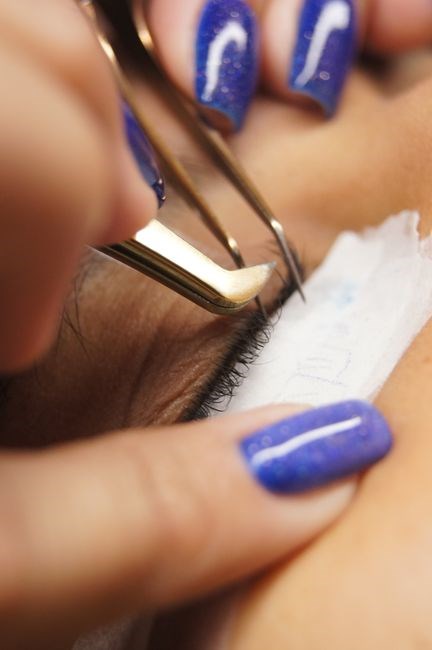
Investing in high‑quality‚ well‑maintained equipment not only boosts client confidence but also extends the lifespan of each tool‚ ensuring consistent performance and compliance with industry safety standards.
Sanitation and Safety Protocols
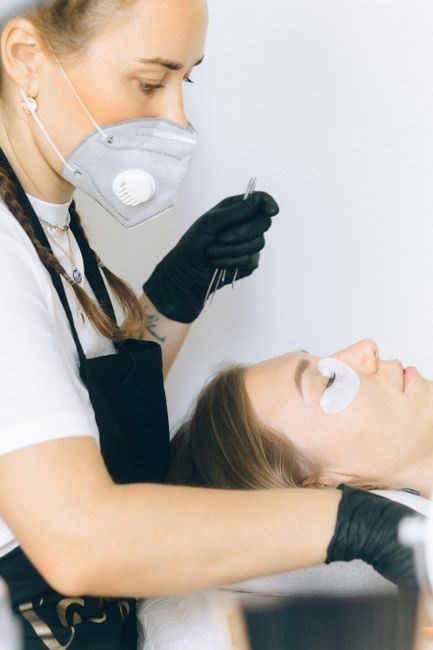
Every lash session begins with a strict hygiene routine. The work area is wiped with a 70% isopropyl solution before and after each client. All reusable tools—brushes‚ tweezers‚ and fans—are sterilized in an autoclave or soaked in a 0.5% glutaraldehyde bath for at least 20 minutes. Disposable items such as gloves‚ eye pads‚ and adhesive cartridges are discarded after single use. Personal protective equipment‚ including face masks and eye protection‚ is mandatory for both artist and client during the entire procedure.
Clients receive a pre‑application questionnaire to identify allergies‚ eye conditions‚ and previous lash history. This information guides the choice of adhesive strength and informs any necessary precautions. The artist maintains a clean‚ organized station‚ with all tools labeled and stored in sealed containers to prevent cross‑contamination. A dedicated waste bin for biohazardous materials is positioned within arm’s reach‚ and all waste is sealed in a double‑layer bag before disposal.
Regular training refreshes the team’s knowledge of current safety standards. The salon follows local health regulations and adheres to the American Academy of Cosmetic Dermatology guidelines for lash application. By integrating these protocols‚ the practice ensures client safety‚ reduces infection risk‚ and upholds professional integrity.
All procedures are documented in a client log‚ ensuring compliance and facilitating future touch‑ups or removal schedules
Aftercare Instructions for Clients
Proper aftercare extends the life of lash extensions and protects your eyes. Keep lashes dry for the first 48 hours; avoid steam‚ saunas‚ and hot showers during this period. Gently cleanse the lashes twice daily with a micellar water or a dedicated lash cleanser‚ using a clean cotton pad. Do not rub or pull; instead‚ apply the cleanser in a gentle‚ upward motion.
Use a lash brush or a synthetic brush to detangle and maintain volume. Brush each lash from the base to the tip once a day‚ and avoid using any oil‑based products or mascara. If you wish to apply mascara‚ choose a waterproof‚ lash‑friendly formula and apply sparingly to the outer lashes only.
During the first week‚ avoid swimming‚ hot tubs‚ and excessive sweating‚ as moisture can weaken adhesive bonds. After the initial healing period‚ you may resume normal activities‚ but always protect lashes from harsh chemicals‚ such as chlorine‚ and from excessive heat.
Schedule regular touch‑up appointments every 2–3 weeks to replace shed lashes and maintain fullness. If you notice redness‚ itching‚ or irritation‚ contact your lash artist immediately; these may indicate an allergic reaction or infection. Always keep your lashes clean and dry‚ and store your eye makeup in a cool‚ dry place to preserve product integrity.
Remember to avoid rubbing your eyes with dirty hands‚ and never share lash tools or products. If you experience any discomfort‚ consult a professional lash artist promptly‚ right now!
Training Curriculum Overview
An effective lash training curriculum blends foundational knowledge with hands‑on application. It starts with anatomy‚ covering eyelid structure‚ lash growth cycles‚ and eye health basics. Students then learn about materials‚ adhesives‚ and the science behind lash longevity. Practical labs follow‚ where learners apply classic‚ volume‚ and hybrid techniques under instructor supervision‚ receiving real‑time feedback. Advanced modules cover advanced lash styles‚ such as mega volume‚ micro volume‚ and designer fan designs‚ as well as troubleshooting common issues like lash shedding and allergic reactions. Safety and sanitation are emphasized throughout‚ with detailed protocols for sterilization‚ glove use‚ and workspace hygiene. The curriculum also includes business fundamentals: client consultation‚ pricing strategies‚ marketing tactics. Assessment occurs through written exams‚ live application tests‚ portfolio reviews‚ ensuring proficiency before certification. Graduates receive a comprehensive manual‚ continuing education resources‚ and a professional network to support their career growth. The program incorporates hands‑on workshops that simulate real‑world scenarios‚ such as handling client concerns‚ managing time efficiently‚ adapting techniques for diverse eye shapes. Ethical considerations‚ client consent‚ legal compliance are integrated into every lesson. With this training‚ lash artists can confidently meet diverse client needs‚ ensuring satisfaction and repeat business!!!!!!!

Business Setup and Marketing Tips
Launching a lash studio requires strategic planning and brand positioning. Begin by selecting a compliant location‚ ensuring adequate space for client seating‚ sterilization‚ and storage. Secure a business license‚ liability insurance‚ and a health‑code‑approved environment. Equip the studio with high‑quality tools‚ a calibrated lamp‚ and a dedicated lash station to streamline workflow.
Brand identity is crucial. Create a memorable logo and color palette‚ and design a cohesive website with booking integration. Offer introductory packages and referral incentives to attract first‑time clients and retain repeat business. Use Instagram‚ TikTok‚ and Facebook to showcase before‑and‑after transformations‚ share testimonials‚ and run targeted ads.
Networking with local beauty professionals boosts visibility. Attend trade shows to stay updated on trends and build supplier relationships. Maintain an online presence by posting tutorials‚ answering FAQs‚and engaging followers
Customer experience drives word‑of‑mouth referrals. Train staff in hospitality‚ ensure punctual appointments‚ and provide complimentary refreshments. Offer a clean‚ relaxing ambiance‚ and follow up with post‑service care instructions. Collect feedback via digital surveys to refine services.
Financial management is essential. Track revenue‚ expenses‚ and inventory using accounting software. Set realistic pricing based on market research and cost analysis. Plan for seasonal promotions and seasonal inventory adjustments to maximize profitability.
Common Troubleshooting Issues
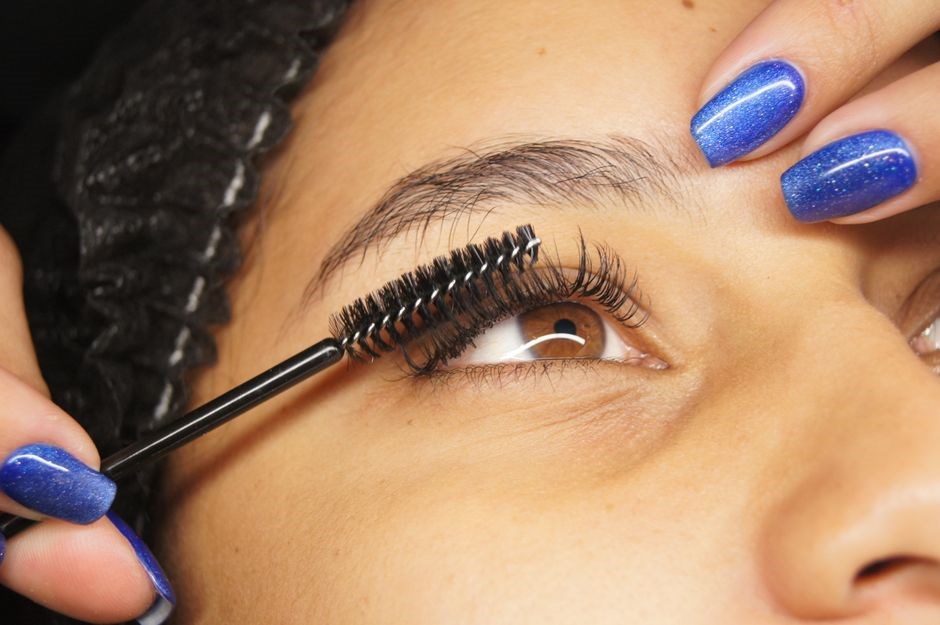
Clients often report a range of concerns after lash sessions. Below are the most frequent issues‚ their causes‚ and practical solutions to keep your work flawless and clients satisfied.
- Premature fallout: Excessive shedding signals over‑application of glue or mismatched lash thickness. Lighter adhesive‚ apply layer‚ and ensure natural lashes are clean and oil‑free before bonding
- Allergic reaction or irritation: Redness‚ itching‚ or swelling can stem from the adhesive or the lash material. Perform a patch test‚ switch to a hypoallergenic glue‚ and select silk or synthetic lashes for sensitive eyes.
- Uneven or crooked fans: Fans that look lopsided often result from inconsistent lash placement or uneven glue distribution. Practice fan technique on a practice tray‚ keep the fan’s base aligned‚ and use a small brush to spread adhesive evenly.
- Weak adhesion: Loss of hold after a few days may be due to drying time or moisture. Allow the glue to cure for the recommended 30‑60 seconds‚ keep the client’s face dry‚ and avoid steam or hot showers for 24 hours.
- Client discomfort or pain: Sharp or painful sensations during application usually mean the lashes are too close to the eyelid margin. Keep a safe distance‚ use a magnifier for precision‚ and adjust the angle of the extension.
Addressing these issues promptly not only improves client retention but also enhances your reputation as a meticulous lash artist.
and Further Resources
After mastering the fundamentals of lash extensions‚ you are ready to refine your craft and expand your practice. This manual has covered essential techniques‚ safety protocols‚ and after‑care‚ providing a solid foundation for both beginners and experienced artists. By integrating the knowledge of materials‚ application methods‚ and client care‚ you can create customized looks that enhance natural beauty while maintaining client health and satisfaction.
To continue growing‚ consider the following steps:
- Enroll in advanced certification courses that focus on volume‚ hybrid‚ and specialty lash styles.
- Attend industry trade shows and workshops to stay current with emerging trends and new products.
- Join professional lash artist communities online for peer support and business advice.
- Maintain a portfolio of before‑and‑after photos to showcase your skill and attract new clients.
- Keep up with regulatory updates and sanitation guidelines to ensure compliance and safety.
Additional resources:
- Lash Academy – Comprehensive training modules
- EyelashPro – Product reviews and tutorials
- Lash Business 101 – Marketing and business setup guide
- Lash Health Foundation – Safety and sanitation standards
By leveraging these resources and continuing your education‚ you can elevate your artistry‚ grow your clientele‚ and build a sustainable lash business that stands out in a competitive market.