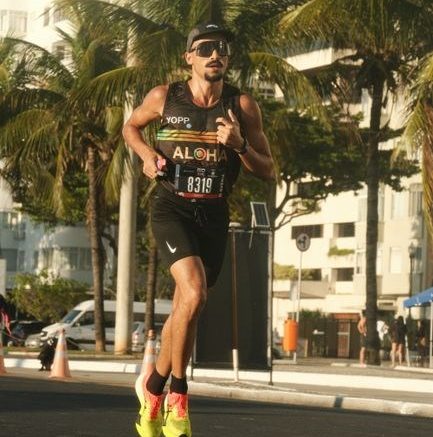
Overview of 16‑Week Half Marathon PDF Plans
Explore free 16‑week half marathon PDF plans that guide beginners to seasoned runners. Each downloadable file offers weekly mileage, interval workouts, and recovery tips, all structured for safe progression. No email required—just click, download, and start training today for all levels, ok!!
How to Use a PDF Training Plan

Download the PDF from a trusted source such as Run for Goods and open it with any viewer. The plan is split into 16 weeks, each week listing mileage, a long run, a tempo or interval session, and optional cross‑training. Start by reading the introductory notes to grasp pacing guidelines and injury‑prevention tips. Mark your calendar with the scheduled runs; most plans recommend three to four sessions per week, leaving at least one rest day between hard workouts. On the first day, perform the warm‑up routine—dynamic stretches and a short jog—before beginning the main workout. After each run, record your time, perceived effort, and any aches in the log section. If the plan includes a “strength” or “mobility” day, follow the prescribed exercises exactly, as they complement the running volume. Adjust mileage only if you experience persistent soreness; the PDF typically advises a 10% increase rule. Keep the PDF handy on your phone or print it for quick reference. At the end of each month, review your progress against the target times set in the plan. If you miss a session, use the catch‑up guidelines—usually a reduced‑intensity run on the next available day. During race week, follow the taper instructions: reduce mileage by 20–30% and focus on rest, nutrition, and mental preparation. Completing the plan as written maximizes your chances of finishing strong and injury‑free. Additionally, the PDF often includes a weekly recap section where you can note weather conditions, shoe mileage, and any deviations, helping you adjust future weeks accordingly. This disciplined approach builds confidence for race day success.
Benefits of a Structured PDF Plan
Structured PDF plans give runners a clear, progressive roadmap that balances mileage, intensity, and recovery. By following a pre‑designed schedule, athletes avoid the guesswork that can lead to overtraining or undertraining. The weekly mileage build‑up is calibrated to increase volume by no more than 10% each week, a proven method to reduce injury risk while steadily improving aerobic capacity. Interval and threshold sessions are strategically placed to sharpen speed and lactate threshold, ensuring that hard days are followed by adequate rest or easy runs. The inclusion of cross‑training, strength, and mobility work in the PDF promotes muscular balance, joint stability, and flexibility—key factors that help maintain form under fatigue. Many plans also feature tapering instructions that reduce volume in the final two weeks, allowing the body to fully recover and peak for race day. Because the plan is downloadable, runners can print or save it for quick reference, making it easy to stay on track even during busy weeks. Tracking progress in the PDF’s log sections provides motivation and objective feedback, helping athletes adjust pacing or rest days when necessary. Finally, a structured PDF plan offers the psychological benefit of a tangible goal: a week‑by‑week schedule that culminates in a completed half marathon, boosting confidence and commitment throughout the training cycle. This plan builds confidence!!!

Types of 16‑Week Plans Available
Free PDFs cover beginner, intermediate, and advanced levels. Beginner plans start with 3–4 weekly runs, gradually adding mileage. Intermediate plans include threshold intervals and moderate long runs. Advanced plans feature higher intensity, speed work, and larger weekly totals. For all levels.
Beginner 16‑Week PDF Plan
Beginner 16‑week PDFs are designed for runners new to the half marathon distance. The plan starts with a modest 6‑mile workout and an 8‑mile long run in week one, then gradually increases weekly mileage by about 10–15% each week. Training runs are scheduled three to four times per week, with a mix of easy runs, a mid‑week tempo or interval session, and a progressive long run that peaks at 12–13 miles. Rest days are built in to allow recovery, and optional cross‑training such as cycling or swimming can be added. Each PDF includes a printable schedule, distance charts, and pacing guidelines. The structure focuses on building aerobic base, improving running economy, and preventing injury. By the end of the 16 weeks, runners should comfortably complete a 13.1‑mile race with a realistic goal time. No email is required to download the PDF; simply click the link on the Run for Goods site and the file is ready for immediate use. The beginner plan is ideal for those who have a basic fitness level but need a clear, step‑by‑step roadmap to race day success. The plan also incorporates short strength sessions that target core stability and leg power, ensuring runners develop the necessary resilience for the final miles. Mobility drills such as dynamic warm‑ups and post‑run stretching are included to maintain joint health. Hydration and nutrition tips are woven throughout the schedule, teaching athletes how to fuel during long runs and race day. Mental preparation strategies, like visualization and goal‑setting, are offered to build confidence and focus. This comprehensive approach guarantees that even first‑time half marathoners finish strong and injury‑free. Participants can also track progress with a mileage log, and the PDF includes a printable checklist for gear and race day essentials. All materials are free and accessible to anyone worldwide.
Intermediate 16‑Week PDF Plan
Intermediate 16‑week PDFs cater to runners who already have a solid base and seek to sharpen speed, endurance, and race‑day tactics. The schedule begins with a 7‑mile easy run and a 9‑mile long run, then escalates weekly mileage by roughly 12–15% to reach a peak of 14–15 miles. Each week features a tempo run or interval session—such as 5×800m or 4×1mi at threshold pace—paired with a recovery run and a long run that incorporates progressive segments. Strength training is emphasized, with twice‑weekly sessions focusing on plyometrics, core stability, and lower‑body power, all designed to improve running economy and reduce injury risk. Mobility work, including dynamic stretches and foam‑rolling routines, is embedded after every session. The PDF provides pacing charts for each workout type, allowing runners to target specific race‑day splits. Nutrition guidance covers carbohydrate loading, electrolyte balance, and race‑day fueling strategies. Mental tactics such as negative‑splitting, visualization, and pre‑race rituals are highlighted to build confidence. The plan also includes a printable mileage log, a gear checklist, and a post‑race recovery plan. Downloading is instant—no email required—directly from the Run for Goods site. The intermediate PDF is ideal for athletes who have finished at least one half marathon and aim to lower their time or improve form. By the end of the 16 weeks, participants should be ready to tackle a 13.1‑mile race with a competitive pace, backed by a structured training foundation and a clear race‑day strategy. Additionally, the PDF outlines a tapering phase in the final two weeks, reducing mileage by 20% each week while maintaining intensity to keep legs fresh. The long runs feature a final 3‑mile push at goal‑race pace, ensuring runners are accustomed to finishing strong. Runners receive weekly check‑ins via printable progress charts, helping them stay accountable and adjust effort as needed.

Core Components of a 16‑Week Plan
A 16‑week PDF plan blends mileage, speed, and recovery. Weekly mileage climbs steadily, featuring easy runs, tempo sessions, and long runs. Threshold intervals sharpen race pace, while strength and mobility workouts reduce injury risk. Tapering in the final two weeks ensures peak freshness for race day!!!!!
Weekly Mileage Build‑Up
Most 16‑week PDFs begin with a modest weekly total—typically 15–20 miles—to establish a base. From week two onward, mileage climbs by roughly 10% each week, allowing the body to adapt without overreaching. A common pattern is a 3‑run week: two shorter runs (3–5 miles), a mid‑week tempo (4–6 miles), and a long run that grows from 6 to 12 miles by week eight. After the peak, the plan incorporates a “recovery” week every fourth week, reducing total mileage by 20% to let muscles repair. The final two weeks taper sharply: the long run drops to 8 miles, and overall weekly mileage falls to 12–14 miles, ensuring fresh legs for race day. This progressive build‑up is designed to maximize aerobic capacity while minimizing injury risk, and the PDF format lets runners track each week’s goal, pace, and rest days for consistent progress. Additionally, many PDFs include a weekly mileage chart, allowing runners to visualize their progression and training intensity accordingly. The PDF typically presents a clear weekly mileage table, showing a gradual 10–12% increase each week, capped at a peak of around 35–40 miles in the eighth week. After the peak, a planned recovery week reduces mileage by 20% before the final taper. Runners can use the table to monitor progress, adjust pace based on personal thresholds, and ensure that each long run builds endurance without excessive fatigue. The structured approach also helps prevent plateauing by mixing easy, tempo, and interval sessions within the weekly mileage framework.More

Threshold Intervals and Intensity Workouts
In a 16‑week PDF plan, threshold sessions appear every second or third week, usually as a 4‑mile tempo run at 80–90% of maximum heart rate; The goal is to push the lactate threshold, improving speed without excessive fatigue. A typical structure is: warm‑up 1–2 miles easy, 4–6 intervals of 800–1200 meters at 5K pace, followed by a cool‑down. The PDF often lists the exact pace for each interval, allowing runners to stay on target. In weeks 6, 10, and 14, the plan introduces higher‑intensity intervals—such as 400‑meter repeats at 5‑minute race pace—paired with equal recovery jogs. These bursts sharpen neuromuscular coordination and increase VO₂ max. The plan also incorporates “hill repeats” in weeks 8 and 12, where 6–8 uphill strides of 30‑45 seconds are performed at maximum effort, followed by a downhill jog. The PDF provides a clear progression: start with 4 repeats, then add one each week until week 12, before tapering back down; All intensity workouts are scheduled on the longest run day to minimize cumulative fatigue. The PDF’s detailed mileage charts show how these sessions fit into the weekly total, ensuring a balanced load. By following the prescribed tempo and interval paces, runners can systematically raise their lactate threshold, improve race‑day speed, and reduce the risk of injury. The plan’s structured approach also allows for easy adjustments if a runner’s heart rate or perceived effort deviates from the target range, ensuring that intensity remains within safe limits while still challenging the athlete. Track progress, adjust pace asneeded.
Cross‑Training and Conditioning in the PDF
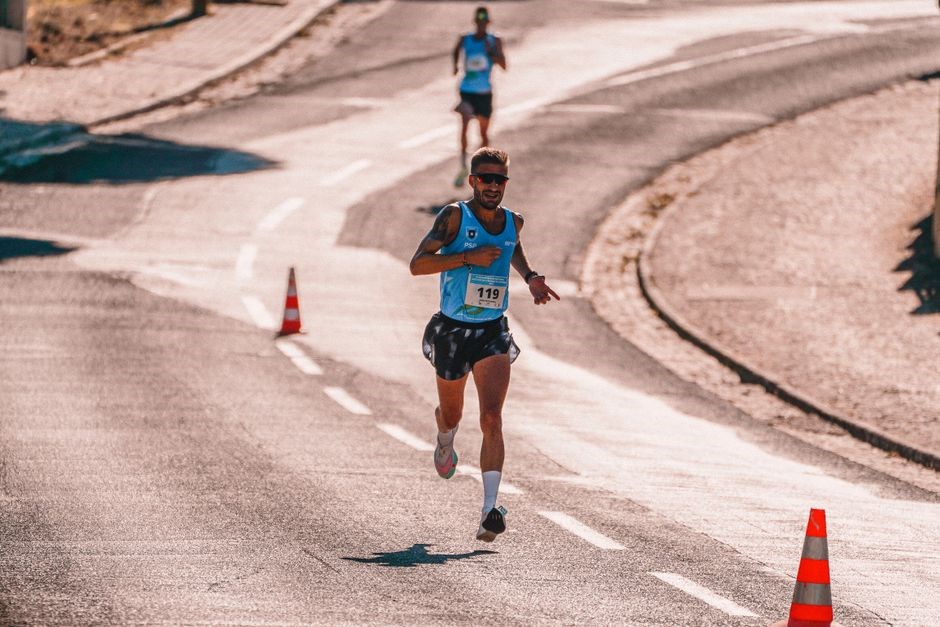
Cross‑training in a 16‑week PDF plan blends cycling, swimming, or rowing for 20–30 minutes, plus strength circuits on non‑running days. Core, glutes, and hamstrings are targeted with planks, lunges, and deadlifts. Mobility drills—hip circles, foam rolling—reduce injury risk and enhance recovery.

Strength Training Sessions
In a 16‑week half marathon PDF plan, strength training is scheduled twice weekly on non‑running days. Each session lasts 30–45 minutes and focuses on muscular endurance, joint stability, and injury prevention. The routine starts with a dynamic warm‑up—leg swings, high knees, and body‑weight squats—to activate the posterior chain. Core work follows: planks (3×30 s), side planks (2×30 s each side), and bird‑dogs (3×12). Lower‑body exercises include goblet squats (3×15), reverse lunges (3×12 per leg), and single‑leg Romanian deadlifts (3×10). Upper‑body emphasis is on pulling motions: bent‑over rows (3×12) and band pull‑apart (3×15). Plyometric elements, such as jump squats (3×10), are added in weeks 9–12 to boost power. Progression is achieved by increasing load or adding a set every two weeks, while maintaining proper form. A cooldown of static stretches—hamstrings, calves, hip flexors—finishes the workout. This structured strength component complements the running schedule, improves stride efficiency, and reduces the risk of common running injuries like IT band syndrome and plantar fasciitis. Additionally, incorporating core stability drills such as Pallof presses and anti‑rotation holds further enhances rotational control, which is vital for maintaining form during the final miles. The PDF also recommends a progressive overload scheme, where each week the load increases by 5–10% to stimulate adaptation without overtaxing the body.
Mobility and Recovery Exercises
Mobility and recovery are integral to a 16‑week half marathon PDF plan, ensuring that the body remains supple and injury‑free while the mileage climbs. The plan recommends a daily post‑run routine that blends dynamic mobility drills with static recovery stretches. For the first 10 minutes after each run, runners perform hip‑opening sequences—90‑degree lunges, pigeon pose, and seated figure‑four stretches—to release tension in the glutes and hip flexors. Next, a 5‑minute foam‑rolling session targets the calves, IT band, and quadriceps, using controlled pressure to break down adhesions. The plan also includes a weekly yoga flow (30 min) on rest days, featuring downward dog, warrior II, and child’s pose, which improves circulation and promotes relaxation. Strength‑based mobility work, such as banded lateral walks and clamshells, is incorporated twice a week to reinforce hip stability. Recovery is further supported by a 15‑minute guided breathing exercise, focusing on diaphragmatic inhalation and exhalation to lower heart rate. The PDF emphasizes the importance of sleep hygiene, recommending at least 7–8 hours per night and cool, dark sleeping environments. Hydration protocols are also outlined: 500 ml of water 30 min before runs, electrolytes during longer sessions, and a post‑run protein‑carb shake within 30 min to kick‑start muscle repair. Additionally, the PDF suggests incorporating a weekly active recovery day featuring low‑intensity cycling or swimming for 45 minutes, which promotes blood flow without adding significant load to the legs. The plan also provides a detailed log sheet to track mobility scores, allowing runners to visualize improvements over the 16‑week period. By integrating these mobility and recovery practices, athletes can maintain optimal performance, reduce injury risk, and arrive at race day with confidence and resilience.

Downloading and Accessing PDF Plans
Download free 16‑week half marathon PDFs directly from Run for Goods. No email required—just click the link, save the file, and start training. The site offers beginner, intermediate, and advanced plans, all ready for instant access. Download now and start your journey toward a strong finish!!.
Free PDFs from Run for Goods
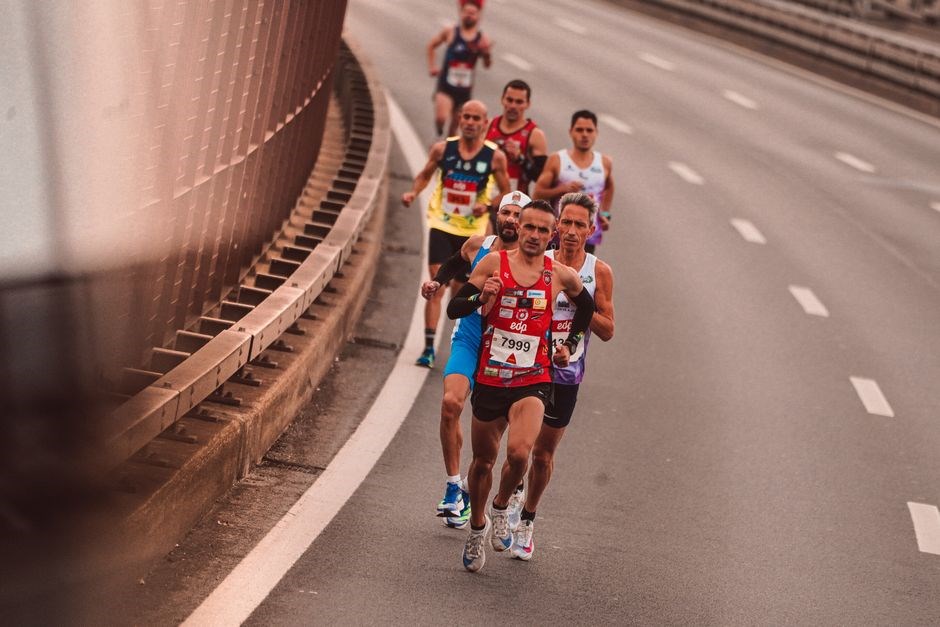
Run for Goods offers a collection of downloadable 16‑week half marathon training plans in PDF format, available at no cost and without the need to provide an email address. These plans cater to a range of experience levels, from absolute beginners to seasoned runners seeking a new personal best. Each PDF guides you through progressive mileage build‑up, with long runs, tempo sessions, interval workouts, and recovery days. The plans are designed to be user‑friendly, featuring clear weekly schedules, mileage targets, and optional cross‑training suggestions. By following the step‑by‑step instructions, you can safely increase your endurance while minimizing injury risk. Downloadable files are ready for instant access—click “Download PDF”, save the doc, and start training. Whether you prefer to print the plan or view it on a tablet, the PDFs are formatted for easy readability. Additionally, Run for Goods offers resources like nutrition tips, gear selection, and mental prep to keep you motivated through the 16‑week journey. These free PDFs are a valuable tool for anyone preparing for a half marathon without signing up for a subscription. Take advantage of this resource, download your plan today, and start training with confidence. With weekly mileage increases, interval workouts, and recovery days, the plan ensures balanced progress and reduces the risk of overtraining. Enjoy the journey!! Download these PDFs today and commit to a routine that blends mileage, speed work, and recovery.
No Email Required Downloads
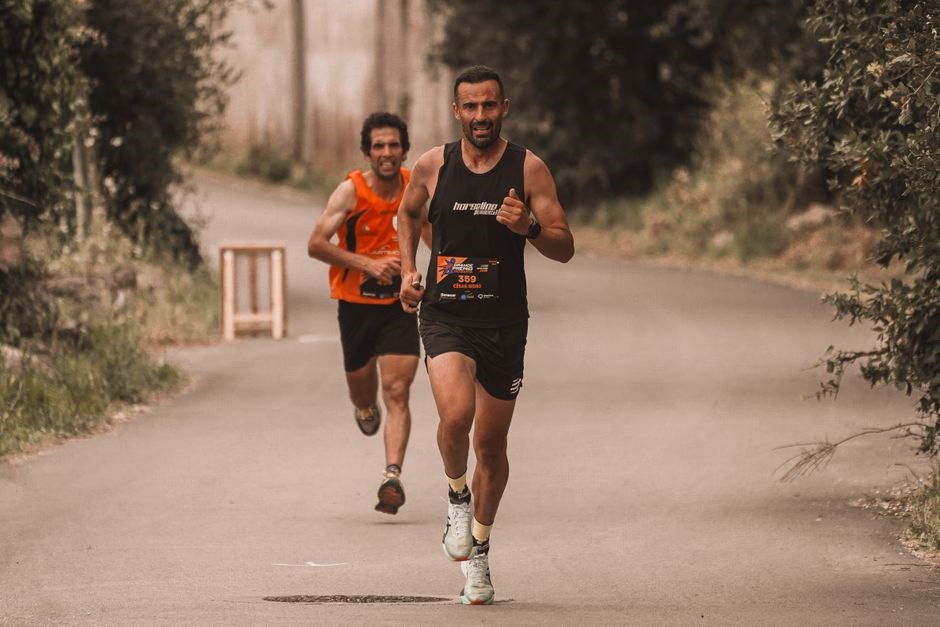
Many training sites require sign‑ups, but a growing number of resources now let you grab a 16‑week half marathon PDF instantly. By clicking a single link, you can download the full weekly schedule, mileage charts, and workout details without entering an email address. This approach keeps your personal data private and saves time for runners who want to jump straight into training. The PDFs are typically available in PDF format, which preserves formatting across devices. Once downloaded, you can print the plan or view it on a phone, tablet, or laptop. The files usually include a week‑by‑week breakdown of long runs, tempo sessions, intervals, and recovery days, making it easy to track progress. Some providers also add printable checklists, mileage trackers, and motivational quotes. The 16‑week structure ensures a gradual increase in mileage, reducing injury risk. With clear instructions and optional cross‑training suggestions, you can tailor the plan to your fitness level. Downloading these PDFs is a hassle‑free way to access a professional training plan, and the no‑email requirement makes it accessible for everyone. Grab your plan now and begin the journey toward a successful half marathon finish. Download the PDF now and start your training journey with confidence, knowing you have a structured plan that adapts to your progress. Remember to stay hydrated, listen to your body, and celebrate every milestone along the way. Enjoy the process and trust that consistency will bring you closer to that finish!!