
Wetsuit Temperature Guide for Surfing: Staying Warm in the Waves
Surfing’s joy hinges on comfort! This guide details wetsuit choices for varying water temperatures, ensuring enjoyable sessions․ A perfect suit maximizes warmth and performance, letting you focus on the waves․
Understanding Water Temperature & Its Impact

Water temperature is paramount for surfing comfort and safety․ It dictates how quickly your body loses heat, potentially leading to hypothermia․ Cold water draws heat away from your core much faster than warmer water, impacting muscle function, coordination, and decision-making – all crucial for surfing․
Even seemingly small temperature drops can significantly affect your experience․ A water temperature of 60°F (15․5°C) feels drastically different than 70°F (21°C)․ Prolonged exposure to cold water can cause shivering, exhaustion, and even loss of consciousness․ Understanding these effects is the first step in choosing the right wetsuit․
Beyond immediate discomfort, cold water can reduce blood flow to extremities, making paddling and maneuvering more difficult․ This impacts your surfing performance and increases the risk of injury․ Therefore, accurately assessing the water temperature and factoring in other elements like wind chill is vital for selecting appropriate thermal protection․ Ignoring water temperature can quickly turn a fun session into a dangerous situation․
The Role of Wind Chill in Surfing Comfort
Wind chill dramatically impacts how cold the water feels, even if the actual water temperature remains constant․ Wind accelerates heat loss from your body, making you feel colder than the thermometer indicates․ A breezy 65°F (18°C) day can feel significantly colder when wet and exposed to wind, demanding a warmer wetsuit than you might initially expect․
When you exit the water, the evaporative cooling effect of the wind on your wet skin intensifies the sensation of cold․ This is especially crucial during winter surfing․ Even a light breeze can drastically reduce your core body temperature, increasing the risk of hypothermia․
Consider the wind direction too․ An onshore wind can create choppy conditions, increasing water exposure and accelerating heat loss․ Always check the wind forecast alongside the water temperature․ Adding a windproof layer, like a rashguard or hooded vest, can significantly mitigate the effects of wind chill and extend your comfortable surfing time․ Don’t underestimate its power!

Wetsuit Thickness Explained: Millimeters Matter
Wetsuit thickness is measured in millimeters (mm), indicating neoprene’s depth․ A “4/3mm” suit means 4mm neoprene in the torso and 3mm in the limbs, offering targeted warmth; Thicker neoprene provides greater insulation, crucial in colder waters, but can restrict flexibility․ Conversely, thinner neoprene offers more freedom of movement but less warmth․
Neoprene works by trapping a thin layer of water between your skin and the suit․ Your body heat warms this water, creating an insulating layer․ The thicker the neoprene, the more water it traps, and the better it retains heat․ However, a properly fitted suit is vital; too loose, and water flushes through, negating the insulation․
Consider your body fat percentage and cold tolerance․ Leaner surfers generally require thicker suits․ Also, the quality of the neoprene impacts its insulating properties․ Higher-grade neoprene is more flexible and efficient at retaining heat; Understanding these nuances ensures optimal comfort and performance․
Types of Wetsuits: Full, Shorty, Springsuit
Wetsuits come in various styles, each suited to different water temperatures and preferences․ Full suits offer maximum coverage, extending from ankles to wrists, ideal for cold water․ They provide complete thermal protection, minimizing heat loss․ Shorty suits feature short arms and legs, offering less coverage and greater freedom of movement – perfect for warmer waters․
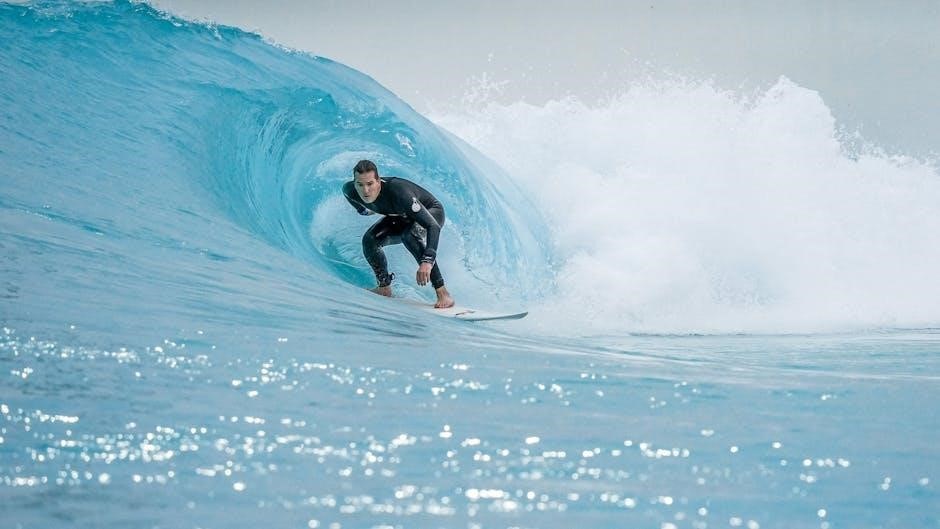
Springsuits are a hybrid, typically with short sleeves and long legs (or vice versa)․ They’re versatile, suitable for transitional seasons or moderately cool water․ The open arms or legs allow for better circulation and prevent overheating․ Choosing the right type depends on the water temperature, your activity level, and personal comfort․
Consider your surfing style too․ More active surfers might prefer a springsuit for increased mobility, while those prioritizing warmth in colder conditions will benefit from a full suit․ Don’t underestimate the impact of fit; a well-fitted suit maximizes warmth and minimizes water flushing, regardless of the style․
Water Temperature Ranges & Wetsuit Recommendations
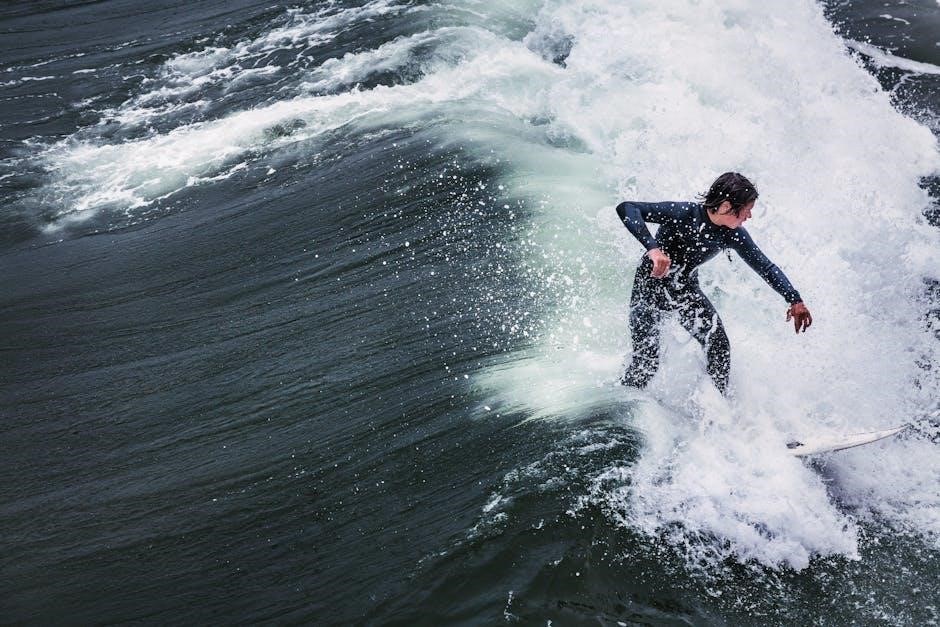
Matching your wetsuit to water temperature is crucial for comfort and performance․ Below are guidelines, but individual tolerance varies․ 50°F ⎯ 58°F (10°C ─ 14°C) demands a 5/4mm or 6/5mm wetsuit – prioritize warmth with a hooded vest․ 58°F ⎯ 64°F (14°C ⎯ 18°C) calls for a 4/3mm wetsuit, offering a balance of warmth and flexibility․
As temperatures rise, adjust accordingly․ 64°F ⎯ 70°F (18°C ─ 21°C) is ideal for a 3/2mm wetsuit, providing sufficient warmth without overheating․ 70°F ⎯ 75°F (21°C ─ 24°C) allows for a 2mm wetsuit or springsuit, maximizing freedom of movement․ Finally, 75°F ─ 80°F (24°C ⎯ 27°C) often suits a shorty or boardshorts with a rashguard, offering minimal thermal protection․
Remember wind chill significantly impacts perceived temperature․ Always err on the side of caution and choose a slightly warmer suit if conditions are breezy․ These are general recommendations; consider your personal cold tolerance and surfing duration․
50°F ⎯ 58°F (10°C ⎯ 14°C): 5/4mm or 6/5mm Wetsuit
When water temperatures plummet to 50°F ─ 58°F (10°C ─ 14°C), serious thermal protection is non-negotiable․ A 5/4mm or 6/5mm wetsuit is essential for maintaining core body temperature and preventing hypothermia․ These thicker suits provide substantial insulation against the frigid water․
Prioritize full coverage – a full wetsuit is a must in these conditions․ Consider a hooded vest or integrated hood to protect your head, a significant heat loss area․ Gloves and boots are highly recommended, as extremities are particularly vulnerable to the cold․ Look for wetsuits with sealed seams (GBS or taped) to minimize water flushing․
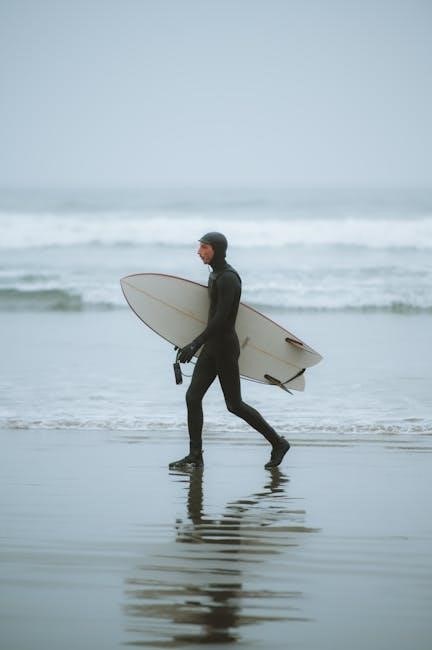
Neoprene quality matters; higher-grade neoprene offers superior warmth and flexibility․ Don’t underestimate the impact of wind chill; a breezy day will necessitate even greater thermal protection․ Expect reduced flexibility with thicker suits, but safety and warmth are paramount in these cold-water conditions․
58°F ─ 64°F (14°C ─ 18°C): 4/3mm Wetsuit
As the water warms slightly to 58°F ⎯ 64°F (14°C ⎯ 18°C), a 4/3mm wetsuit strikes a good balance between warmth and flexibility․ This thickness is versatile enough for a range of conditions, offering sufficient insulation without overly restricting movement․ A full wetsuit remains the preferred choice for extended sessions․
Consider your personal cold tolerance; if you tend to get cold easily, opting for a 5/4mm might still be prudent․ Accessories like gloves and boots can be added for extra warmth, particularly on windier days․ Seam construction is important – GBS or taped seams will minimize water flushing and enhance thermal efficiency․
This temperature range is ideal for surfers who want a balance between warmth and performance․ A 4/3mm wetsuit allows for greater freedom of movement, making it suitable for more dynamic surfing styles․ Pay attention to wind chill, as it can significantly impact perceived temperature and necessitate additional layers․
64°F ─ 70°F (18°C ─ 21°C): 3/2mm Wetsuit
When the water temperature rises to 64°F ─ 70°F (18°C ⎯ 21°C), a 3/2mm wetsuit becomes an excellent choice․ This thickness provides ample warmth for comfortable surfing while maximizing flexibility and freedom of movement․ It’s a sweet spot for many surfers, offering a balance between thermal protection and performance․
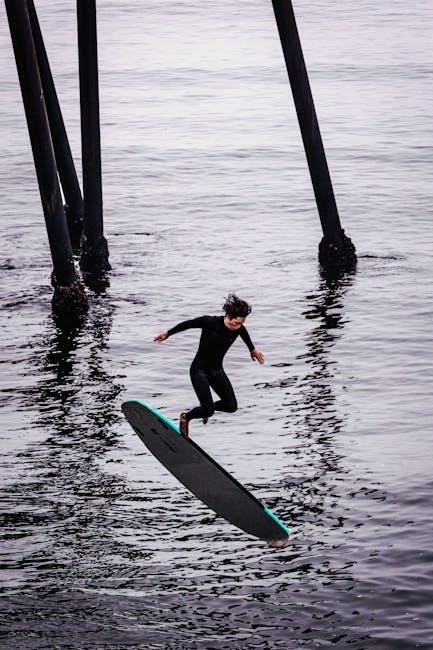
A fullsuit is still recommended for longer sessions, but a springsuit might also be considered depending on your personal preference and the air temperature․ Pay attention to wind chill, as a cool breeze can quickly lower your body temperature․ Consider a rashguard underneath for added comfort and sun protection․
This range is perfect for surfers who prioritize maneuverability and want to feel more connected to the water․ A 3/2mm wetsuit allows for quick turns and responsive surfing․ Proper fit is crucial to minimize water flushing and maintain warmth․ Look for quality neoprene and well-constructed seams․
70°F ─ 75°F (21°C ─ 24°C): 2mm Wetsuit or Springsuit
As the water warms to 70°F ─ 75°F (21°C ⎯ 24°C), surfers can transition to lighter options like a 2mm wetsuit or a springsuit․ These provide sufficient warmth for most conditions while offering exceptional flexibility and range of motion․ A springsuit, with its short sleeves and legs, is ideal for warmer days and allows for greater freedom․
Consider a 2mm fullsuit if you’re prone to getting cold or plan on extended sessions․ Wind can still be a factor, so assess the conditions before heading out․ A rashguard can be paired with either option for added sun protection and comfort․ This temperature range is fantastic for maximizing your surfing experience․
Focus on a snug, comfortable fit to prevent water flushing․ Quality neoprene is key for maintaining warmth and flexibility․ This is a great time to experiment with different styles and find what works best for your body and surfing style․ Enjoy the warmer water and longer rides!
75°F ⎯ 80°F (24°C ⎯ 27°C): Shorty or Boardshorts with Rashguard
When the water temperature climbs to 75°F ─ 80°F (24°C ⎯ 27°C), the need for full thermal protection diminishes significantly․ Surfers can comfortably opt for a shorty wetsuit – offering core warmth with unrestricted arm and leg movement – or even boardshorts paired with a rashguard․ This combination provides sun protection and a minimal layer against board rash․
A shorty is perfect for warmer sessions where a little extra warmth is desired, especially during early morning or late afternoon surfs․ Boardshorts and a rashguard are ideal for truly warm conditions, maximizing freedom and minimizing bulk․ Don’t underestimate the sun’s intensity; a rashguard is crucial for preventing sunburn․
Consider water conditions; even warm water can feel chilly with a strong offshore breeze․ Prioritize sun protection and comfort․ This temperature range is all about enjoying the waves with minimal gear, maximizing your connection to the ocean and the thrill of the ride!
Wetsuit Materials: Neoprene Grades & Flexibility
Neoprene is the cornerstone of most wetsuits, but its quality and construction dramatically impact warmth, flexibility, and price․ Neoprene is a synthetic rubber, and its grade is measured by cell size – smaller cells mean better insulation and less water absorption․ Superstretch neoprene, often blended with materials like Muriatic, offers exceptional flexibility for unrestricted movement․
Different neoprene grades exist: from basic, less expensive options to premium, high-performance materials․ Higher-grade neoprene is lighter, softer, and more durable․ The thickness of the neoprene (measured in millimeters) also influences warmth․ Lining materials, like smoothskin or thermal fleece, further enhance comfort and insulation․
Flexibility is crucial for surfing, allowing for a full range of motion․ Stretchier neoprene is preferred for performance suits, while thicker neoprene prioritizes warmth․ Understanding neoprene grades empowers surfers to choose a suit that balances warmth, flexibility, and budget, optimizing their surfing experience․
Seam Construction: Flatlock, Glued & Blind Stitched (GBS), Taped
Seam construction significantly impacts a wetsuit’s warmth, durability, and comfort․ Three primary methods exist: flatlock, glued & blind stitched (GBS), and taped․ Flatlock seams are stitched through all layers, creating a strong, affordable, but less flexible and less watertight seal․ They’re common in springsuits and warmer-water wetsuits․
Glued & Blind Stitched (GBS) seams involve gluing the neoprene first, then blind stitching – a technique where the needle doesn’t fully penetrate the neoprene, minimizing water entry․ GBS offers a good balance of flexibility, durability, and warmth․ It’s a popular choice for many wetsuits․
Taped seams represent the highest level of construction․ After GBS, a waterproof tape is applied to the inside seams, creating a completely watertight seal․ Taped seams maximize warmth and durability, making them ideal for cold-water surfing․ The cost is higher, but the added protection is worthwhile for dedicated cold-water surfers․
Accessories for Added Warmth: Hoods, Gloves, Boots
When water temperatures plummet, accessories become crucial for extending your surf sessions․ Significant heat loss occurs through extremities – head, hands, and feet․ Hoods, constructed from neoprene, provide essential head and neck warmth, preventing brain freeze and maintaining core body temperature․ Different thicknesses are available, matching your wetsuit․
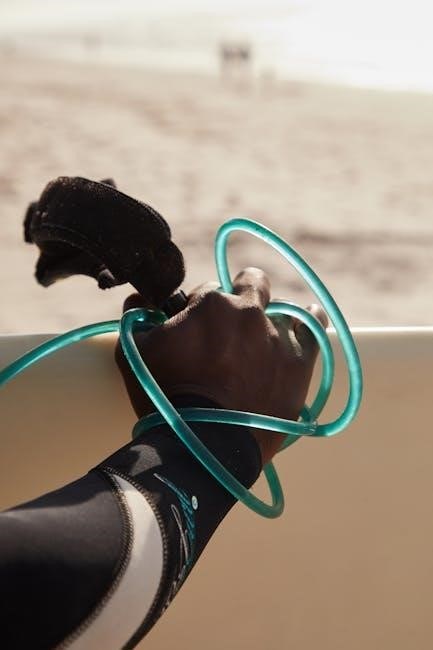
Gloves protect hands from the numbing cold, improving dexterity and grip․ Like hoods, neoprene gloves come in varying thicknesses․ Consider the seam construction – GBS or taped – for optimal warmth․ Boots are equally vital, shielding feet from cold water shock and providing grip on slippery surfaces․
Booties range from thin, flexible options for mild conditions to thick, robust boots for frigid waters․ Investing in quality accessories dramatically enhances comfort and allows you to surf longer in challenging conditions․ Don’t underestimate their impact on overall warmth and enjoyment!
Layering for Extreme Cold: Thermal Rashguards & Vests
For truly frigid conditions, layering beneath your wetsuit is a game-changer․ Thermal rashguards and vests add a significant boost to warmth without restricting movement․ Thermal rashguards, typically made with fleece lining, trap a layer of water against your skin, which your body heats, creating a warming effect․ They’re lightweight and comfortable, ideal for moderate cold․
Thermal vests offer even greater insulation․ Constructed from neoprene or specialized thermal materials, they provide a substantial layer of warmth for core body temperature regulation․ These are perfect for icy waters or extended exposure․
Consider the thickness and fit of your layers; too bulky, and it will impede paddling and flexibility; A snug fit is crucial for maximizing thermal benefits․ Layering allows you to customize your warmth level, extending your surfing season and enjoying waves even when the weather is harsh․ It’s a smart investment for dedicated cold-water surfers!
Wetsuit Care & Maintenance: Extending Your Suit’s Life
Proper care dramatically extends your wetsuit’s lifespan and maintains its thermal performance․ Always rinse your wetsuit thoroughly with fresh, cool water after every use, removing salt, sand, and any organic matter․ Saltwater degrades neoprene over time, reducing its flexibility and warmth․ Avoid using hot water or detergents, as these can damage the material․
Hang your wetsuit to dry in a shaded area, away from direct sunlight and heat․ Sunlight causes fading and neoprene breakdown․ Never use a dryer! Store your wetsuit folded loosely or hung on a wide hanger to prevent creasing․
Regularly inspect your wetsuit for tears or damage and repair them promptly․ Small repairs prevent larger issues․ Consider using a wetsuit-specific cleaner and conditioner to maintain neoprene’s suppleness․ Following these simple steps ensures your wetsuit remains a reliable companion for countless surf sessions, saving you money and keeping you warm!
Choosing the Right Wetsuit Fit: Avoiding Restriction & Water Flushing

A proper wetsuit fit is crucial for warmth, comfort, and performance․ Too loose, and water will flush through the suit, negating its insulating properties, creating a chilling effect; Too tight, and it restricts movement, hindering paddling and turning․
The wetsuit should feel snug, like a second skin, without being constricting․ Check for gaps, particularly around the neck, wrists, and ankles – these are prime areas for water entry․ Ensure you can move freely; test paddling motions and duck dives․
Consider your body shape; wetsuits are cut differently for various builds․ Pay attention to sizing charts provided by the manufacturer, but remember they are guidelines․ Trying on multiple sizes is ideal․ A well-fitted wetsuit maximizes warmth, minimizes chafing, and allows you to fully enjoy your surfing experience․ Prioritize fit alongside thickness for optimal performance!
Regional Considerations: Surfing in Different Climates
Surfing conditions vary dramatically by location, demanding tailored wetsuit choices․ California’s central coast experiences cooler waters than Southern California, requiring thicker suits for longer sessions․ The Pacific Northwest demands robust 5/4mm or even 6/5mm suits year-round, alongside hoods and boots․
East Coast waters, while warmer in summer, can become surprisingly cold during winter storms, necessitating a 4/3mm or 5/4mm suit․ Hawaii offers warmer waters, often suitable for springsuits or even boardshorts, but north shores can experience cooler swells in winter․
Tropical regions generally require minimal insulation, with 2mm suits or rashguards being sufficient․ However, even in warm climates, wind chill can significantly impact comfort․ Consider local knowledge and seasonal variations when selecting your wetsuit․ Adapting to the specific climate ensures a comfortable and enjoyable surfing experience, maximizing time in the waves․