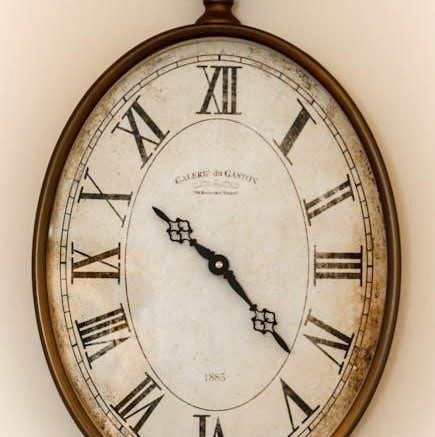
Antique Clock Identification and Price Guide ⏤ Article Plan (as of 04/14/2026 07:35:00)
This comprehensive guide details identifying antique clocks‚ assessing their value‚ and understanding market trends‚ utilizing hallmarks‚ signatures‚ and auction data for accurate appraisals.
Antique clocks represent a fascinating blend of artistry and engineering‚ captivating collectors with their historical significance and intricate mechanisms; value hinges on detailed investigation.
The Allure of Antique Clocks
Antique clocks possess a unique charm‚ stemming from their craftsmanship and connection to bygone eras. They aren’t merely time-telling devices; they are historical artifacts‚ reflecting the aesthetic sensibilities and technological advancements of their time.
The intricate movements‚ often handmade‚ showcase remarkable skill‚ while the cases‚ crafted from rich woods like mahogany or walnut‚ demonstrate artistic flair. Collecting antique clocks offers a tangible link to the past‚ a pursuit fueled by both aesthetic appreciation and historical curiosity. Their desirability on the current antique market is undeniable.
Scope of the Guide: Identification & Valuation
This guide provides a detailed framework for identifying antique clocks‚ encompassing maker’s marks‚ case styles‚ and movement types. We will explore hallmarks‚ like the Zolotnik standard‚ and signatures to pinpoint origins.
Crucially‚ we’ll delve into valuation‚ examining factors like rarity‚ condition‚ and historical significance. Understanding auction data‚ current market trends‚ and the potential need for expert appraisals will empower both buyers and sellers to navigate the antique clock market confidently.
Types of Antique Clocks
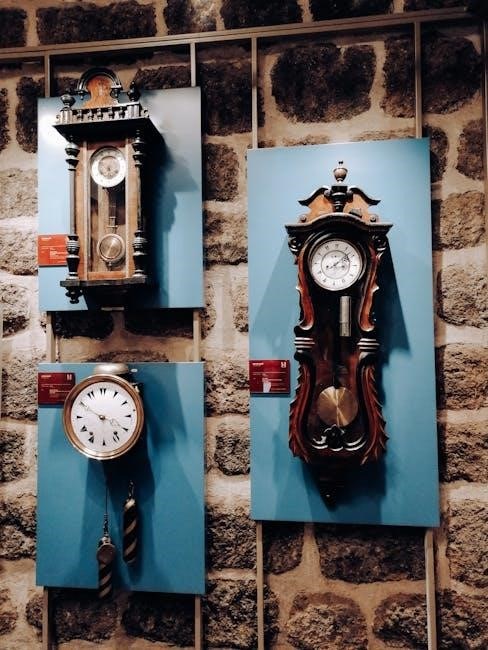
Explore diverse clock styles: majestic grandfather clocks‚ elegant mantle clocks‚ practical wall clocks‚ and portable carriage clocks‚ each with unique characteristics.
Grandfather Clocks (Longcase Clocks)
Grandfather clocks‚ also known as longcase clocks‚ represent a pinnacle of horological artistry and craftsmanship. These imposing timepieces‚ typically standing over six feet tall‚ became popular in the 17th century. Identifying features include their long wooden cases‚ often crafted from walnut or mahogany‚ housing a pendulum and weights for timekeeping.
Valuation hinges on the maker’s reputation‚ case quality‚ and movement complexity. Notable makers command higher prices. Examining the hood‚ dial‚ and case ornamentation reveals clues to age and origin. Condition significantly impacts value; original‚ well-maintained examples are highly sought after by collectors.
Mantle Clocks
Mantle clocks‚ designed for placement on a mantelpiece‚ gained prominence during the Victorian era. These clocks exhibit diverse styles‚ ranging from ornate French bronze models to simpler American wooden cases. Identifying features include their relatively compact size and decorative detailing‚ often incorporating porcelain dials and elaborate carvings.
Value is determined by the clock’s aesthetic appeal‚ the quality of its materials‚ and the intricacy of its movement. French mantle clocks‚ particularly those by renowned makers‚ often fetch higher prices. Assessing the condition of the case‚ dial‚ and movement is crucial for accurate valuation.
Wall Clocks
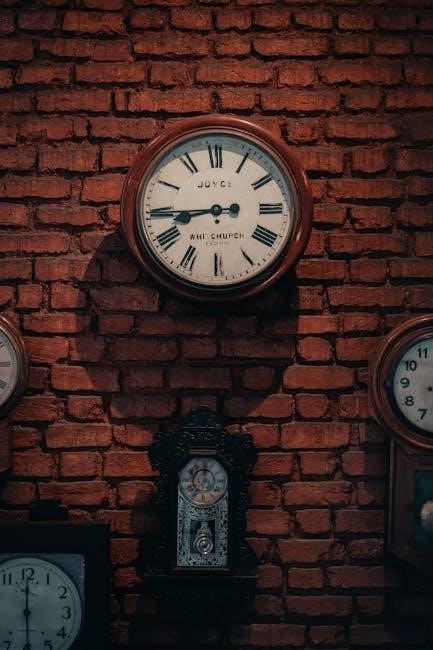
Antique wall clocks served a practical purpose‚ providing timekeeping in homes and businesses. Styles vary greatly‚ encompassing bracket clocks‚ schoolhouse clocks‚ and novelty designs. Identifying features include a mounting mechanism for hanging and often‚ a larger dial for visibility. American-made wall clocks are particularly common‚ with makers like Seth Thomas and E. Howard & Co. being highly regarded.
Valuation hinges on the clock’s maker‚ rarity‚ and condition. Schoolhouse clocks‚ with their large size and distinctive appearance‚ can be quite valuable. Intact original paint and a functioning mechanism significantly increase worth.
Carriage Clocks
Elegant and portable‚ antique carriage clocks were designed for travel‚ originally accompanying horse-drawn carriages. These clocks are typically housed in brass or gilded cases with a carrying handle. Key features include a swing handle‚ a rectangular shape‚ and often‚ a white enamel dial. Makers like Dent and Thomas exhibited exceptional craftsmanship.
Value is heavily influenced by the maker’s reputation‚ the complexity of the movement‚ and the overall condition. Originality is paramount; replacement parts diminish value. A fully functioning‚ well-maintained carriage clock commands a premium price.
Identifying Clock Makers & Marks
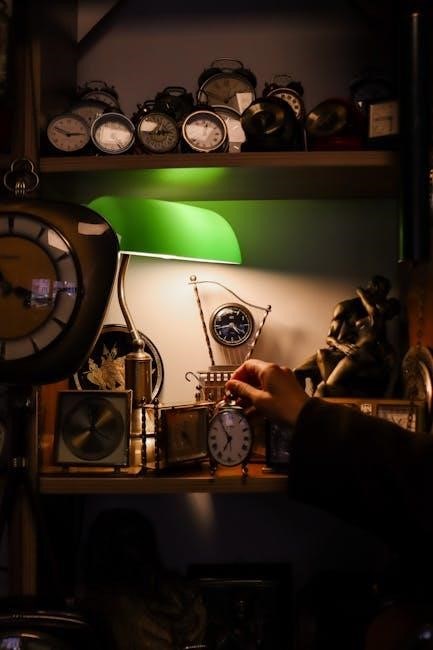
Clock maker’s marks‚ hallmarks‚ and signatures are crucial for identification and valuation‚ revealing provenance and authenticity‚ like the Zolotnik silver standard.
Importance of Maker’s Marks
A clock’s maker’s mark is paramount in establishing its origin‚ age‚ and potential value. These signatures‚ often found on the dial‚ movement‚ or case‚ act as a horological fingerprint. Identifying the maker allows for detailed research into their history‚ reputation‚ and the quality of their craftsmanship.
Marks can range from fully legible signatures to abbreviated names or symbols. Their presence significantly impacts collectibility and price‚ providing crucial information for both buyers and sellers. Accurate identification unlocks a clock’s story and confirms its authenticity within the antique market;
Common Clock Maker Signatures
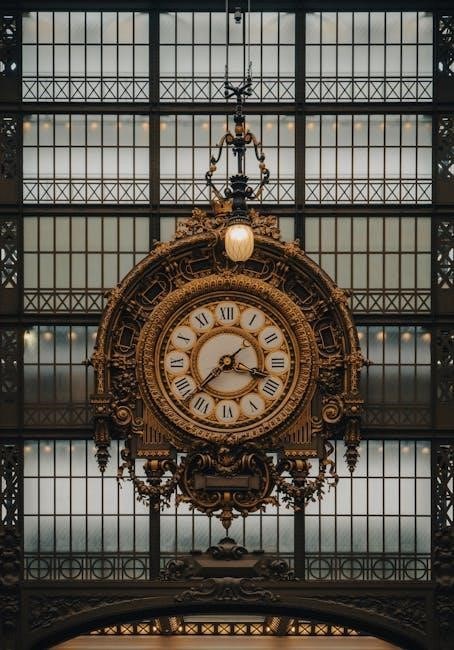
Numerous clockmakers left their mark on history‚ and recognizing their signatures is key to identification. Names like Dannenberg frequently appear‚ often associated with high-quality craftsmanship. Other prominent signatures include those of makers from Zürich and St. Moritz‚ known for intricate designs.
Variations in signature style exist‚ influenced by period and individual preference. Researching known signatures through databases and publications is crucial. Identifying these marks unlocks valuable insights into a clock’s provenance and contributes to accurate valuation;
Hallmarks and Silver Standards (Zolotnik example)
Silver hallmarks on antique clocks indicate purity and origin‚ crucial for valuation. The Zolotnik system‚ historically used in Russia‚ measures silver fineness; 88 Zolotnik equates to 916/1000 purity. Identifying these marks requires specialized knowledge and magnification.
Hallmarks often include maker’s marks‚ assay office stamps‚ and date letters. Understanding these symbols reveals a clock’s history and authenticity. Silver content significantly impacts value‚ making accurate hallmark interpretation essential for both collectors and appraisers.
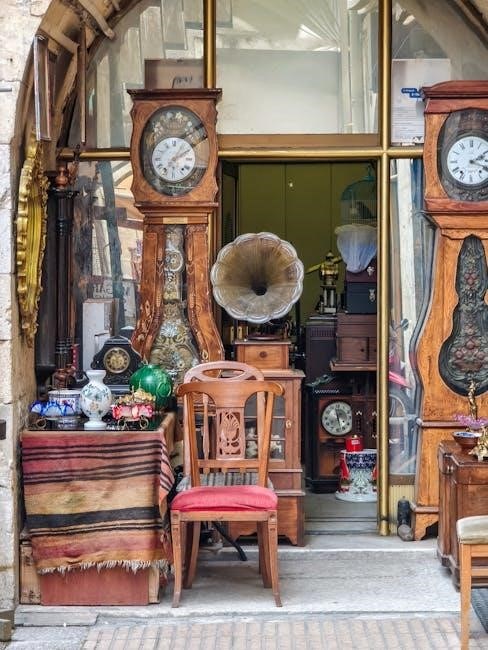
Clock Case Identification
Analyzing wood types like mahogany or walnut‚ construction techniques‚ and ornamental details are key to identifying a clock’s style and origin.
Wood Types and Styles (e.g.‚ Mahogany‚ Walnut)
The wood used in an antique clock case significantly impacts its value and aesthetic. Mahogany‚ prized for its rich color and grain‚ was popular in the 18th and 19th centuries‚ often found in formal grandfather clocks. Walnut‚ offering a darker‚ more subdued tone‚ frequently appears in Victorian-era mantle clocks.
Other woods like oak‚ cherry‚ and rosewood also feature‚ each lending a unique character. Examining the wood’s grain pattern‚ figuring‚ and finish helps determine age and quality. Veneering‚ a common technique‚ involves applying thin wood layers over a base material; identifying the veneer type is crucial for accurate assessment.
Case Construction & Ornamentation
Analyzing a clock case’s construction reveals much about its origin and quality. Dovetail joints‚ hand-carved details‚ and the overall robustness of the build indicate skilled craftsmanship; Ornamentation‚ such as inlay work‚ marquetry‚ or applied carvings‚ adds significant value.
Styles range from simple‚ understated designs to elaborate‚ baroque flourishes. Identifying these stylistic elements – Chippendale‚ Queen Anne‚ or Victorian – aids in dating the clock. Lacquer finishes‚ as seen in some examples‚ represent specialized artistry. Careful examination of these details is essential for accurate valuation.
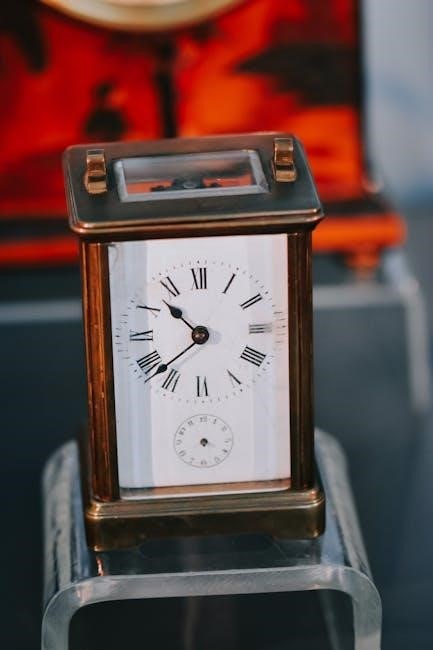
Understanding Clock Mechanisms
Clock mechanisms—fusee‚ spring-driven‚ and weight-driven—dictate functionality and value. Identifying the movement type is crucial for understanding a clock’s complexity and historical context.
Fusee Movement
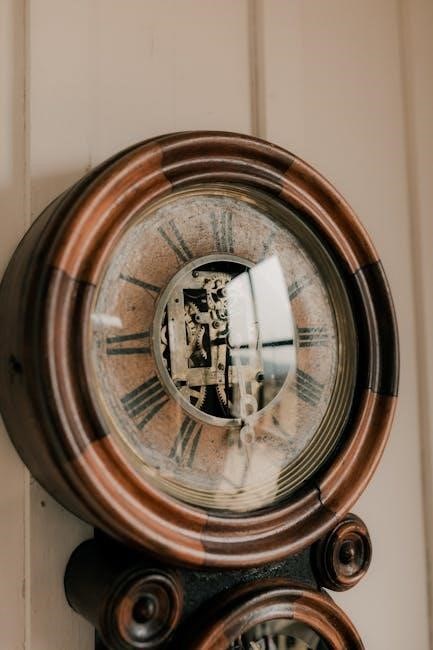
The fusee movement‚ prevalent in earlier antique clocks‚ represents a sophisticated engineering achievement. It utilizes a cone-shaped pulley‚ the fusee‚ connected to the mainspring.
This design delivers a more consistent power output as the mainspring unwinds‚ enhancing timekeeping accuracy. Identifying a fusee movement often involves observing the conical shape within the clock’s mechanism.
Clocks with fusee movements are generally more valuable due to their intricate construction and historical significance‚ representing a pinnacle of pre-industrial horology.
Spring-Driven Movements
Spring-driven movements became increasingly common in the 19th and 20th centuries‚ offering a more compact and affordable alternative to fusee or weight-driven systems.
These mechanisms store energy in a coiled mainspring‚ releasing it gradually to power the clock. Identifying them is usually straightforward‚ observing the prominent mainspring barrel within the movement.
Value varies greatly depending on the clock’s maker‚ quality‚ and condition‚ but generally‚ they are less expensive than fusee movements.
Weight-Driven Movements
Weight-driven movements‚ prevalent in grandfather clocks and some wall clocks‚ utilize the descent of weights to power the timekeeping mechanism.
These systems are characterized by visible weights suspended by cords or chains‚ requiring regular winding to maintain operation.
Identifying them involves observing the weight wells and pulley system. Generally‚ well-maintained examples from renowned makers command higher values due to their complexity and historical significance.
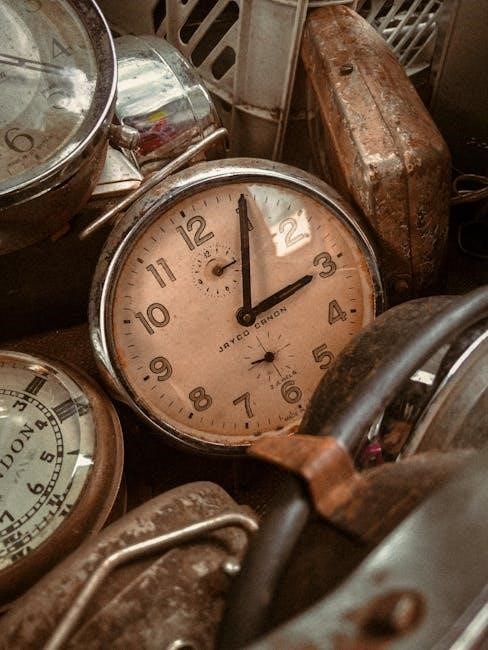
Assessing Clock Condition
Condition significantly impacts value; common issues include case damage‚ mechanism wear‚ and missing parts‚ necessitating careful inspection and potential restoration efforts.
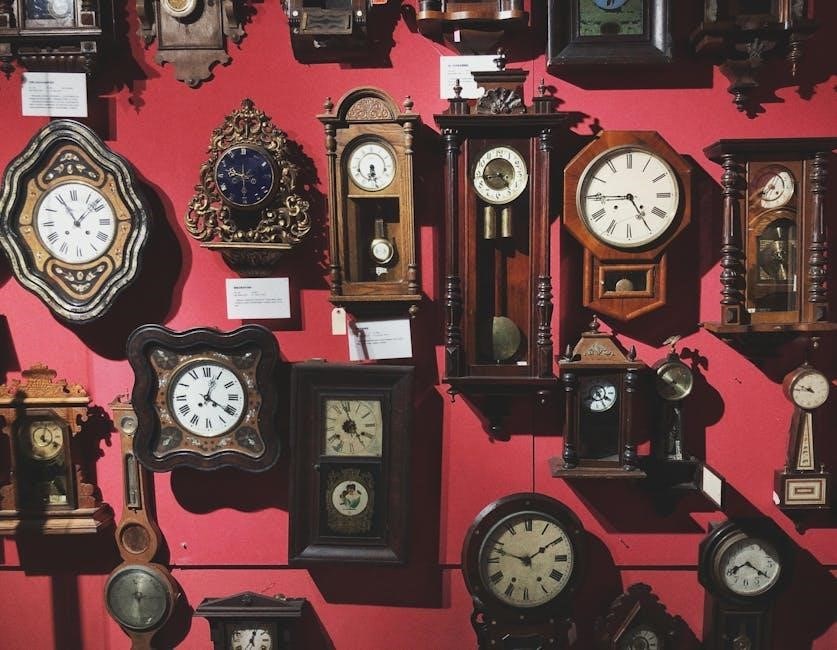
Impact of Condition on Value
A clock’s condition is paramount when determining its value‚ often outweighing even its age or maker. Pristine‚ original condition commands a substantial premium‚ while significant damage drastically reduces worth.
Restoration‚ if poorly executed‚ can diminish value; however‚ sympathetic repairs maintaining originality are generally acceptable. Factors like case integrity‚ dial preservation‚ and mechanical functionality are crucial. Even minor imperfections‚ such as scratches or fading‚ affect appraisal. Collectors prioritize authenticity‚ so preserving original elements is key to maximizing a clock’s financial return.
Common Issues & Restoration
Antique clocks frequently exhibit issues like pendulum suspension spring failure‚ worn pivots‚ and dry oil causing sluggish movement. Case problems include veneer lifting‚ wood cracking‚ and missing ornamentation. Dial deterioration‚ such as flaking paint or discoloration‚ is also common.
Restoration should be undertaken by qualified horologists‚ prioritizing minimal intervention. Replacement parts should match originals whenever possible. Over-restoration diminishes value; preserving patina is vital. Careful cleaning‚ lubrication‚ and gentle repairs are preferred over extensive reconstruction.
Determining Antique Clock Value
Valuation hinges on rarity‚ historical context‚ condition‚ and craftsmanship‚ informed by auction data‚ expert appraisals‚ and current market trends for accurate pricing.
Rarity and Historical Significance
A clock’s value dramatically increases with its scarcity and connection to notable events or individuals. Limited production runs‚ unique features‚ or association with historically significant figures elevate desirability. Clocks crafted by renowned makers‚ or those representing pivotal moments in horological development‚ command premium prices.
Provenance – a clock’s documented history of ownership – is crucial. Establishing a clear lineage adds substantial value. Pieces originating from prestigious collections or bearing evidence of royal ownership are particularly sought after‚ reflecting both rarity and historical weight.
Auction Data & Market Trends
Analyzing recent auction results provides invaluable insight into current market values for comparable antique clocks. Websites specializing in auction archives‚ like those tracking antique collector items‚ reveal realized prices‚ offering a realistic benchmark. Observing trends – whether prices are rising‚ falling‚ or stable – is essential for both buyers and sellers.
Market fluctuations are influenced by economic conditions‚ collector preferences‚ and the availability of similar pieces. Specialized antique shows and dealer networks also reflect prevailing trends‚ offering a broader perspective on pricing dynamics.
Expert Appraisals
Engaging a qualified horologist or antique appraiser offers the most accurate valuation of your clock. These professionals possess specialized knowledge of clock mechanisms‚ case styles‚ and maker’s marks‚ crucial for determining authenticity and condition.
A formal appraisal report provides a detailed assessment‚ justifying the valuation with supporting evidence. While incurring a fee‚ an expert appraisal is invaluable for insurance purposes‚ estate planning‚ or when considering a significant sale.
Factors Influencing Price (Craftsmanship‚ Aesthetic Appeal)
Exceptional craftsmanship significantly elevates a clock’s value; intricate marquetry‚ hand-engraved details‚ and the quality of the movement all contribute. Aesthetic appeal‚ encompassing the clock’s overall design and decorative elements‚ also plays a vital role.
Originality is paramount – unaltered clocks command higher prices. The presence of rare features‚ like automata or unusual dial designs‚ further increases desirability and market value‚ reflecting both artistry and historical significance.
Resources for Further Research
Explore online databases‚ antique forums‚ specialized books‚ and attend antique shows to deepen your knowledge and connect with experts for valuable insights.
Online Databases & Forums
Numerous online resources facilitate antique clock research. Websites dedicated to horology offer extensive databases of clockmakers‚ marks‚ and historical information. Forums provide platforms for collectors to share knowledge‚ ask questions‚ and discuss valuations.
These communities are invaluable for identifying obscure makers or deciphering hallmarks. Sites like “Antique Collector” and specialized clock forums can offer insights into current market values and potential restoration advice. Remember to critically evaluate information and cross-reference findings from multiple sources for accuracy.
Antique Clock Books & Publications
Traditional publications remain essential resources for antique clock enthusiasts. Specialized books detail clock movements‚ case styles‚ and maker histories‚ offering in-depth knowledge beyond online sources. Look for titles focusing on specific clock types – grandfather‚ mantle‚ or carriage clocks – for targeted information.
Publications often include detailed illustrations of hallmarks and signatures‚ aiding identification. Auction catalogs from reputable houses provide historical price data and examples of comparable clocks. Consider works like those referenced from “Antique Collector‚ Zürich” for specialized insights.
Antique Shows & Dealers
Attending antique shows provides a hands-on opportunity to examine clocks firsthand and consult with knowledgeable dealers. These events offer a diverse selection‚ allowing comparison of styles‚ conditions‚ and prices. Building relationships with reputable dealers is invaluable for future acquisitions and appraisals.
Dealers often possess specialized expertise and can provide provenance information. Remember to thoroughly inspect any clock before purchase‚ considering condition and authenticity. Visiting established antique shops‚ beyond shows‚ can uncover hidden gems and expert advice.